

SOCIO-ECONOMIC DISCUSSION SESSION: VIFC AND THE URGENT NEED FOR A “RESOURCE MOBILIZATION ROADMAP” FOR THE NEXT PHASE OF DEVELOPMENT
Posted on 11/04/2026
At the socio-economic discussion session on April 10, Mr. Tran Luu Quang, Secretary of the Ho Chi Minh City Party Committee, addressed the issue of mobilizing investment resources through public-private partnership (PPP) models. His remarks were made in response to the proposal raised by delegate Truong Minh Huy Vu.
Specifically, Mr. Truong Minh Huy Vu, Chairman of the Executive Board of VIFC-HCMC, emphasized the need to develop a “comprehensive roadmap” for resource mobilization for the next phase, based on the Government’s economic outlook for the country over the next five years.
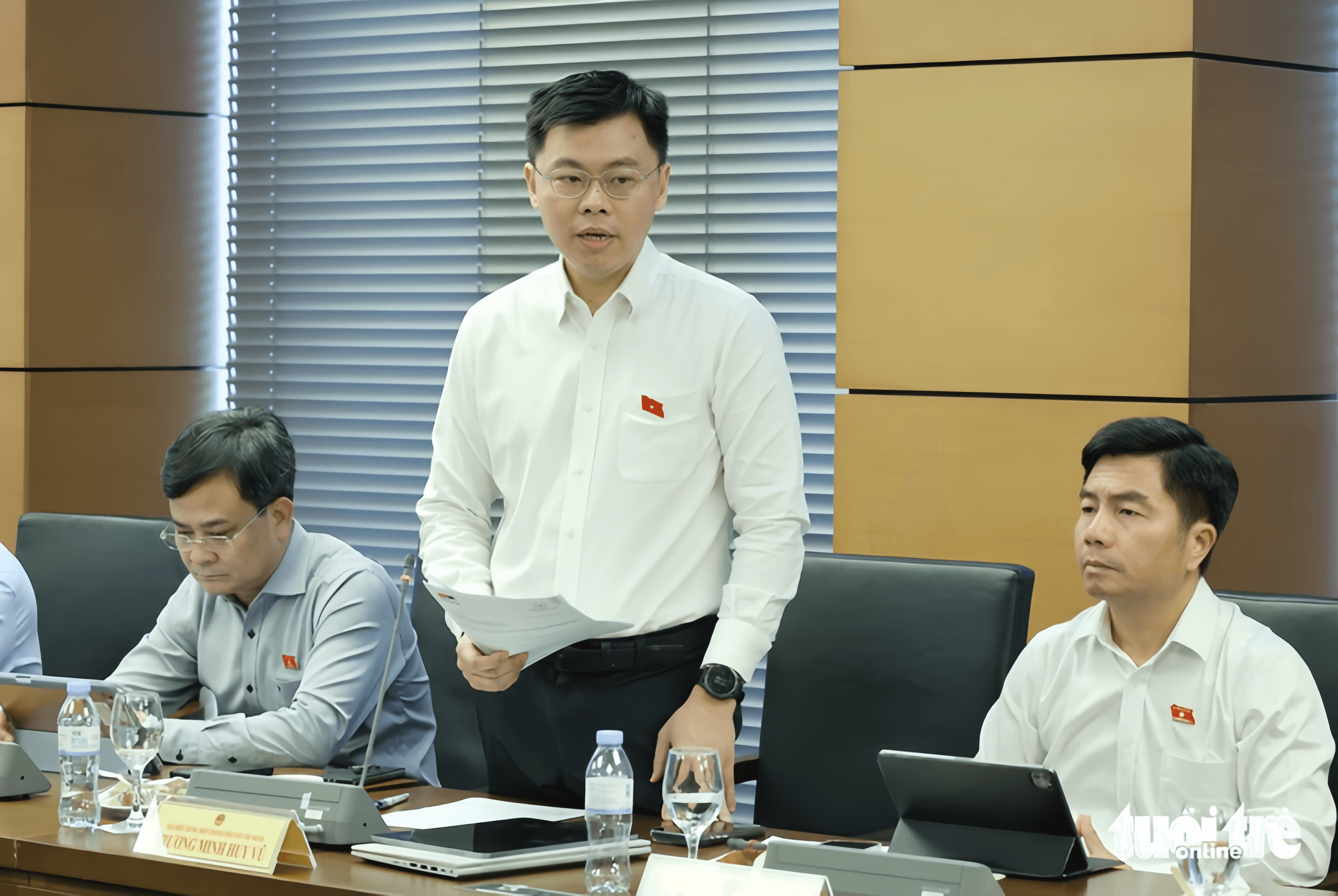
As development investment demand continues to rise, Vietnam can no longer rely primarily on the two traditional channels of public investment and bank credit. From this perspective, Mr. Vu proposed shifting the focus toward developing new capital mobilization channels, especially the capital market, in order to reduce pressure on these traditional sources, including by considering pilot mechanisms for Ho Chi Minh City such as:
- Issuing corporate bonds, municipal bonds, and project bonds
- Establishing financial centers and expanding public-private partnerships (PPP)
On that basis, Mr. Vu stated: “The coordination of capital channels requires a flexible approach, because at each point in time, the ability to mobilize each type of resource is different.” Therefore, it is necessary to build a “resource mobilization roadmap” to support the efficient allocation and coordination of funding sources.
Notably, this proposal received support from Mr. Tran Luu Quang, Secretary of the Ho Chi Minh City Party Committee, who described it as “a very good idea.” In addition, the proposal carries strong practical value in addressing a fundamental question: at each stage, what is the most appropriate way to raise capital — through municipal bonds, corporate bonds, or by further expanding PPP?
The alignment shown in this policy dialogue indicates that one critical issue is becoming increasingly clear: for Vietnam to achieve both rapid and sustainable growth, the country needs not only more capital, but also a smarter capital allocation structure — one with clear priorities and the ability to anticipate procedural, legal, and implementation requirements.
From the perspective of VIFC-HCMC, this also reflects the core spirit of a modern financial center: beyond attracting capital flows, such a center must help channel capital to the right place, at the right time, and in the right structure, so that it can effectively support growth, infrastructure development, and the long-term competitiveness of the economy.
#VIFC #InternationalFinancialCenter #VietnamEconomy
Subscribe for updates
We'll send latest updates to your email address.